
"Cameroon coffee profile"
146000 article(s) found

Members of the International Coffee Organization: importing and exporting members
Angola Austria Austria Benin Benin Belgium / Luxembourg Belgium/Luxemburg Bolivia Bolivia UK Britain Brazil Brazil Cyprus Cyprus Burundi Burundi Denmark Denmark Cameroon Cameroon Finland Finland Central African Republic Central African R.

Aromatic Burundi Coffee Estate Introduction Jackson Bourbon Variety
Beginning in the late 1980s, Cameroon's coffee production declined, from 1.8 million bags of robert coffee in 1987 to 1.1 million bags in 1990, and from 400,000 bags to 200,000 bags of arabica coffee in the same period. Now, thanks to tighter regulation by the National Coffee Supervisory Agency, coffee production and quality may change.

Introduction of Variety treatment method for Coffee Flavor description and Grinding degree of Lemon Manor in Nicaragua
Nicaraguan coffee [original name]: Cameroon UCCAO Caplami Java [variety]: Java Java Arabica species [growth altitude]: 5000 ft [raw bean treatment]: semi-washed Semi-Washed Process [origin]: West Africa-western Cameroon plateau [producing areas / estates / cooperatives]: UCCAO Caplami Cooperative [label]

Introduction of Burundian Coffee Bean Flavor description Grinding scale treatment method Manor production area
Burundian boutique coffee beans taste introduction: honey, kumquat, purple flowers, sour, smooth, fragrant and tasty through the introduction of the Belgian people. Bloomberg began to grow coffee in 1930. Most of the varieties and Anda products are bourbon series, which grow in mountains ranging from 1750 to 2000 meters above sea level.

The flavor and taste of Burundian coffee the characteristics of the manor producing area introduce the origin of Burundian coffee boutique coffee beans
Lake Tanganyika, located at the southern end of the western branch of the East African Rift Valley, is the second largest lake in East Africa. With a length of 720km from north to south, it is one of the longest freshwater lakes in the world, with a depth of 1470 meters, second only to Lake Baikal and the second deepest lake in the world. The area is 32900 square kilometers. Lake Tanganyika, which is narrow in the north and south, is formed by the fault and subsidence of the earth's crust. The only outlet of the lake is the Lukuga River. Inspire Burundi

Fruit-flavored Burundian coffee beans taste manor characteristics of Burundian coffee
The chaos of Burundian coffee has been going on for a long time, with a large number of old and new raw beans mixed together, making this coffee unsuitable for grading. This coffee is rough but mild, and has characteristics similar to Kenyan coffee. The flavor is sweet and fruity, with a slightly spicy finish. Dry aroma (1-5): not suitable for wet aroma (1-5): not suitable for acid

Introduction to the quality characteristics of Burundian Coffee Flavor description treatment
Burundian coffee introduces traceability is a common problem faced by coffee growers, raw bean buyers and coffee roasters. There are currently about 3500 families working for LMCP. Production harvesting areas are distributed on eight different hilltops and two processing plants Bukeye (operational in 2013) and Heza (operational in 2014). Many variables can affect the most lifetime.

Introduction of Burundian Coffee Flavor description Variety characteristics treatment method for producing High-quality Coffee beans
Burundian coffee flavor Burundian coffee has been in chaos for a long time, with a large number of mixed raw beans, making this coffee unsuitable for grading. This coffee is rough but mild, and has characteristics similar to Kenyan coffee. The flavor is sweet, fruity, with a slightly spicy aftertaste and traceability in coffee growers and raw bean buyers.
Coffee that the French like
I have heard that France once drank less coffee because of a shortage of coffee, and immediately saw more people taking a nap. It may seem like an exaggeration, but it is true that the French are addicted to coffee. When the Gulf War broke out in 1991, France was also one of the countries participating in the war. some ordinary people in China worried that the war would affect the supply of daily necessities and rushed to supermarkets to buy them. Even the TV station was alarmed when the camera was in front of it.

The coffee environment and atmosphere that the French like most care about.
I have heard that France once drank less coffee because of a shortage of coffee, and immediately saw more people taking a nap. It may seem like an exaggeration, but it is true that the French are addicted to coffee. When the Gulf War broke out in 1991, France was also one of the countries participating in the war. some ordinary people in China worried that the war would affect the supply of daily necessities and rushed to supermarkets to buy them. Even the TV station was alarmed when the camera was in front of it.

Mellow Burundian Coffee Flavor Taste introduction to Fine Coffee in Manor production area
There are many plateaus and mountains in Burundi, most of which are made up of the plateau on the east side of the East African Rift Valley. The national average elevation is 1600 meters, which is known as the mountain country. According to the topography of Burundi, it can be divided into three regions: the western plain, along the Ruzizi River, the Rift Albrtine plain, 774 to 1000 meters above sea level; and the central and western mountains, with an average elevation of 1700 meters, with the highest peak in Bujumbura.
Basic knowledge of fine coffee Member of International Coffee Organization
Importing Member States Exporting Member States Angola Austria Austria Benin Belgium/Luxembourg Bolivia Bolivia United Kingdom Brazil Cyprus Cyprus Burundi Denmark Cameroon Finland Central African Republic Central African R.

Introduction to the taste and flavor characteristics of Burundian coffee manor with wild taste
Burundian coffee bears a striking resemblance to neighboring Rwanda, where coffee from the two countries is often confused. Burundian coffee is mainly grown in bourbon, with traditional wet processing of coffee cherries. Its boutique coffee is characterized by elegant sweetness and bright citrus aromas. This batch belongs to the bourbon species micro-batch Burundi (Burundi) has the world's largest species.

What are the ypica cultivars of Iron pickup?
Following caf é (Wechat official account vdailycom) found that ypica Cafe opened a small shop of its own. Java Java, a cultivated variety with long fruits and bronzed young leaves, is believed to be a descendant of coffee introduced to Java from Yemen. The variety was first brought from Java to neighboring islands (Timor) and then to East Africa (Cameroon) and was planted in 1980. By CIRAD

Stories about the Origin of Java Coffee introduction to Java Coffee varieties
Professional coffee knowledge exchange more coffee bean information please pay attention to the coffee workshop (Wechat official account cafe_style) Java has a long history of cultivation. As its name suggests, the variety was introduced directly from Ethiopia to Java by the Dutch in the early 19th century. It was initially considered to be a typical choice. In the middle of the 20th century, a local farmer passed through Vilmorin

A brief introduction to the cultivation of fine coffee beans in Burundi with mellow taste, geographical location, climate and altitude
There are many variables that affect the quality of the final beans. For example, each mountain has a different microclimate, which in turn affects the growth, picking and handling of coffee fruits, and varies from day to day. Nathan James Johnston, the boss of Cartel Coffee Roasters in Australia, said: working with Long Miles, we can make it clear

What is Java java coffee? where can I buy Java java coffee?
There are several types of boutique coffee Java Rambung coffee or Abyssinia, but they are not from Ethiopia, but from Indonesia. Abyssinia 3 = AB3. Dutch plant researcher PJS Cramer introduced the variety in 1928 and is said to be from the Ethiopian seed bank. It is more Cultivar) was initially considered to be the choice of Typica

An introduction to the Origin of Coffee beans
Cameroon: Bamileke and Bamoun Burundi: Ngozi Angola: Ambriz, Amborm, Novo Redondo Zimbabwe: Chipinge Mozambique: Manyika (Manica) Middle East and South Asia Yemen: Mocha Sanani, Matta
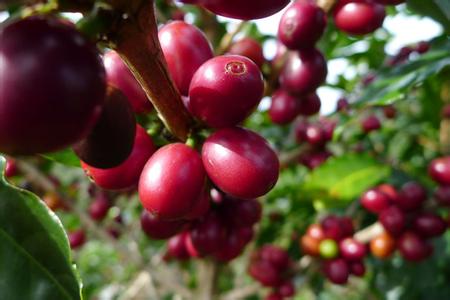
The amount of tea imported from the United States exceeds that of the United Kingdom for the first time, and coffee consumption is relatively reduced.
According to Cameroon's tax law, everyone's known and traceable income is subject to income tax. The 23rd session of the National Council of Cocoa and Coffee (National Cocoa and Coffee Board, referred to as CICC) held in Yaound é on March 12 revealed that the government intends to impose income tax on cocoa and coffee producers. It is reported that the above tax plan has been in place since 2013.
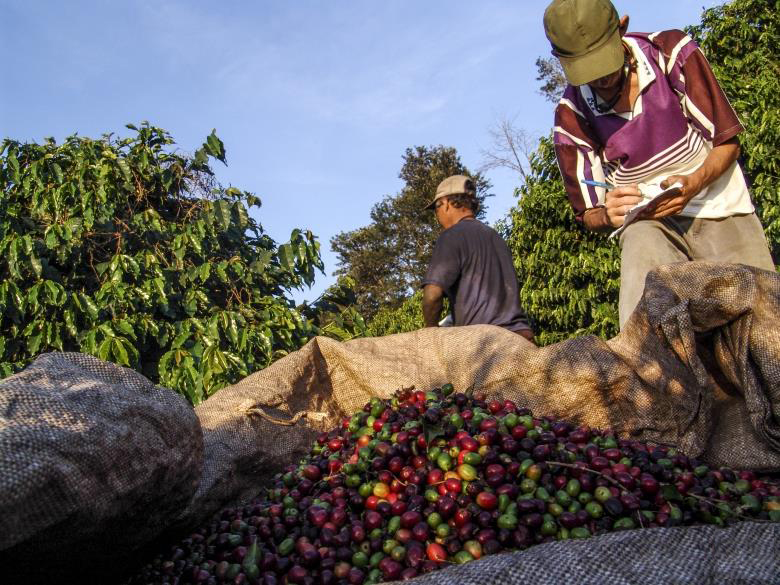
There are 60 coffee producing countries in the world! Northerly to Nepal, southernmost to Paraguay
Professional coffee knowledge exchange more coffee bean information please follow the coffee workshop (Wechat official account cafe_style) you should know the coffee story the vast majority of coffee producing countries are in the Tropic of Cancer and Tropic of Cancer, there are now about 60 countries; Arabica seed and Robusta seed are produced in 2 major varieties. Article = Chengmeitang Publishing editorial Department 60 coffee producing countries, mainly planted